National Recovery and Resilience Plan (PNRR)
Investment 1.2 "Removal of physical and cognitive barriers in museums, libraries and archives" - NextGenerationEU
The Archaeological and Landscape Park of the Valley of the Temples in Agrigento has benefited from funds from the National Recovery and Resilience Plan for the implementation of an ambitious universal accessibility project at the Pietro Griffo Museum in Agrigento, aimed at eliminating physical and cognitive barriers and ensuring inclusive cultural enjoyment for all visitors.
The Project: Design for All
The intervention is based on the "design for all" paradigm and aims to make the museum accessible to able-bodied people and people with physical, cognitive and sensory disabilities through the implementation of an integrated system of innovative technologies and digital solutions.
Implemented Elements
Website and Digital Platform
The museum has equipped itself with a new website that is completely accessible and can be viewed from computers, tablets and smartphones. The site is available in multiple languages and includes a chat with artificial intelligence that answers visitors' questions in real time. Special sections have also been created for schools and associations to encourage everyone's participation in the museum's cultural life.
Digital Avatar at the Temple of Juno
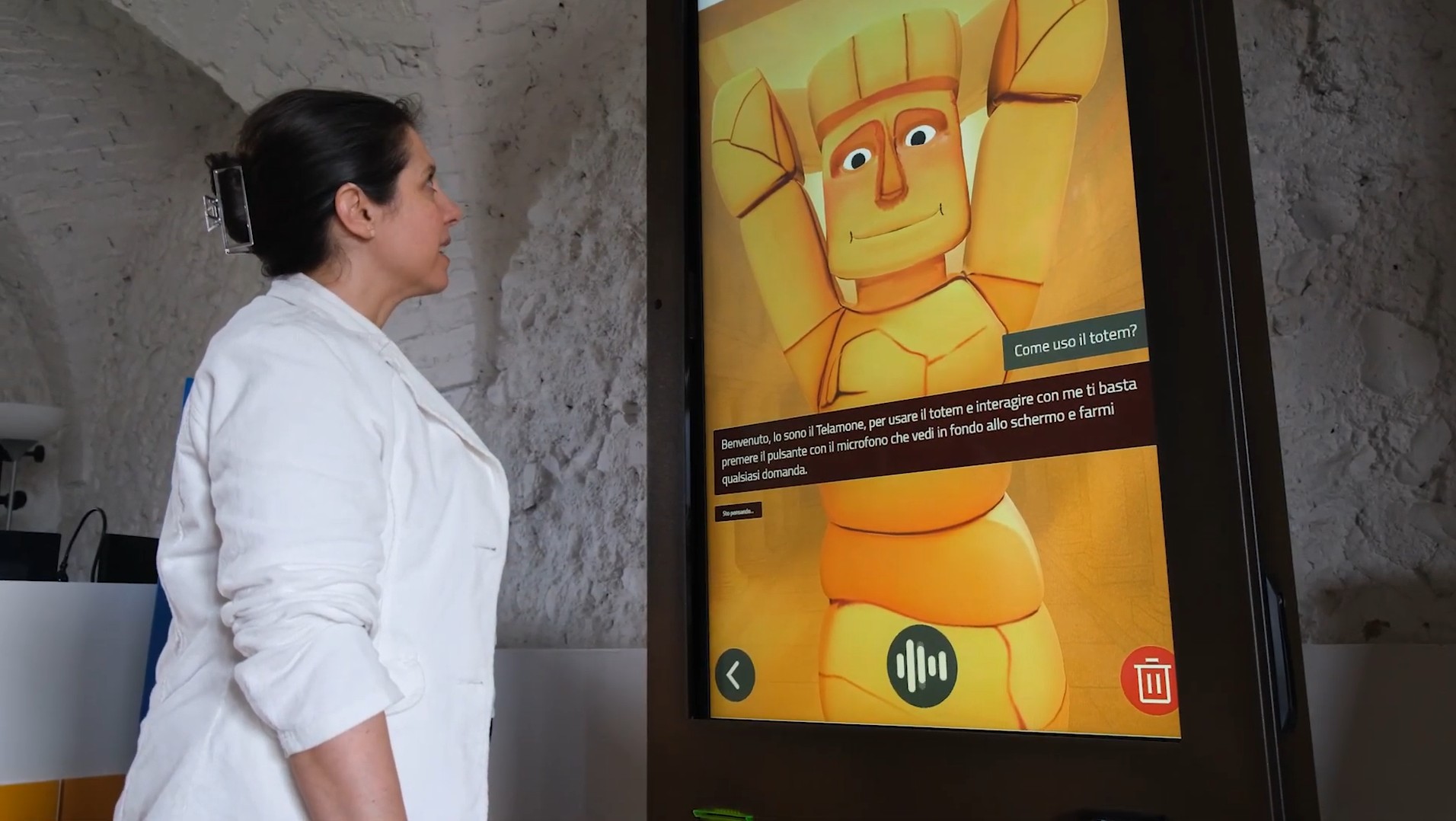
An interactive totem has been installed at the Temple of Juno, hosting a digital avatar resembling the Telamon. This virtual character welcomes visitors, provides tourist and cultural information, and can even recognize facial expressions to offer a more personalized experience. The totem also allows ticket purchases and provides printed informational materials.
Tactile Path and Orientation
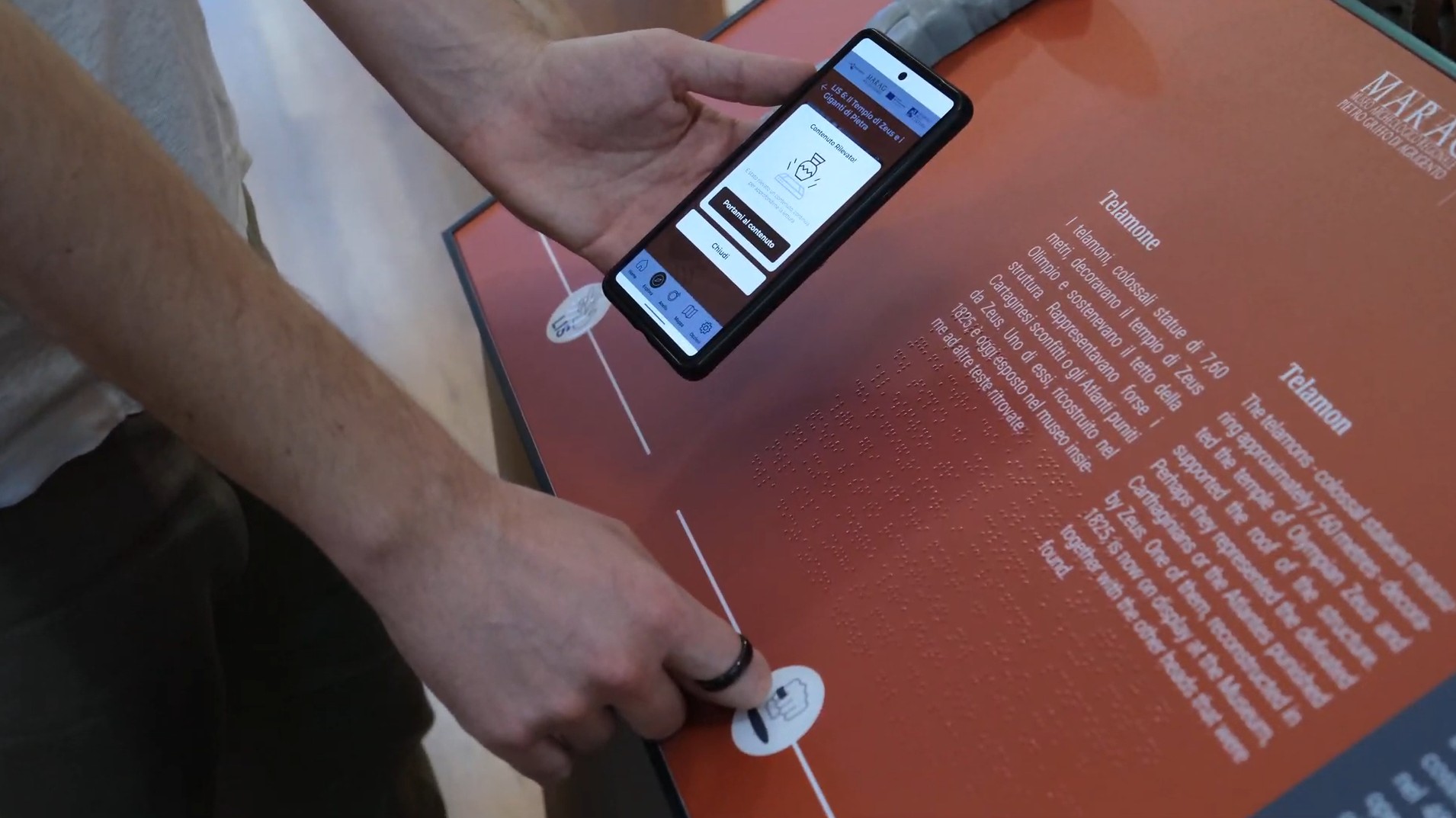
6 tactile panels and 3 interactive maps have been positioned inside the museum to help all visitors, particularly those with visual disabilities, navigate the spaces and better understand the exhibition route. Additionally, 100 smart rings have been created that, when worn by visitors, allow interaction with the installations and receive personalized information through the museum app.
Touchable Artworks
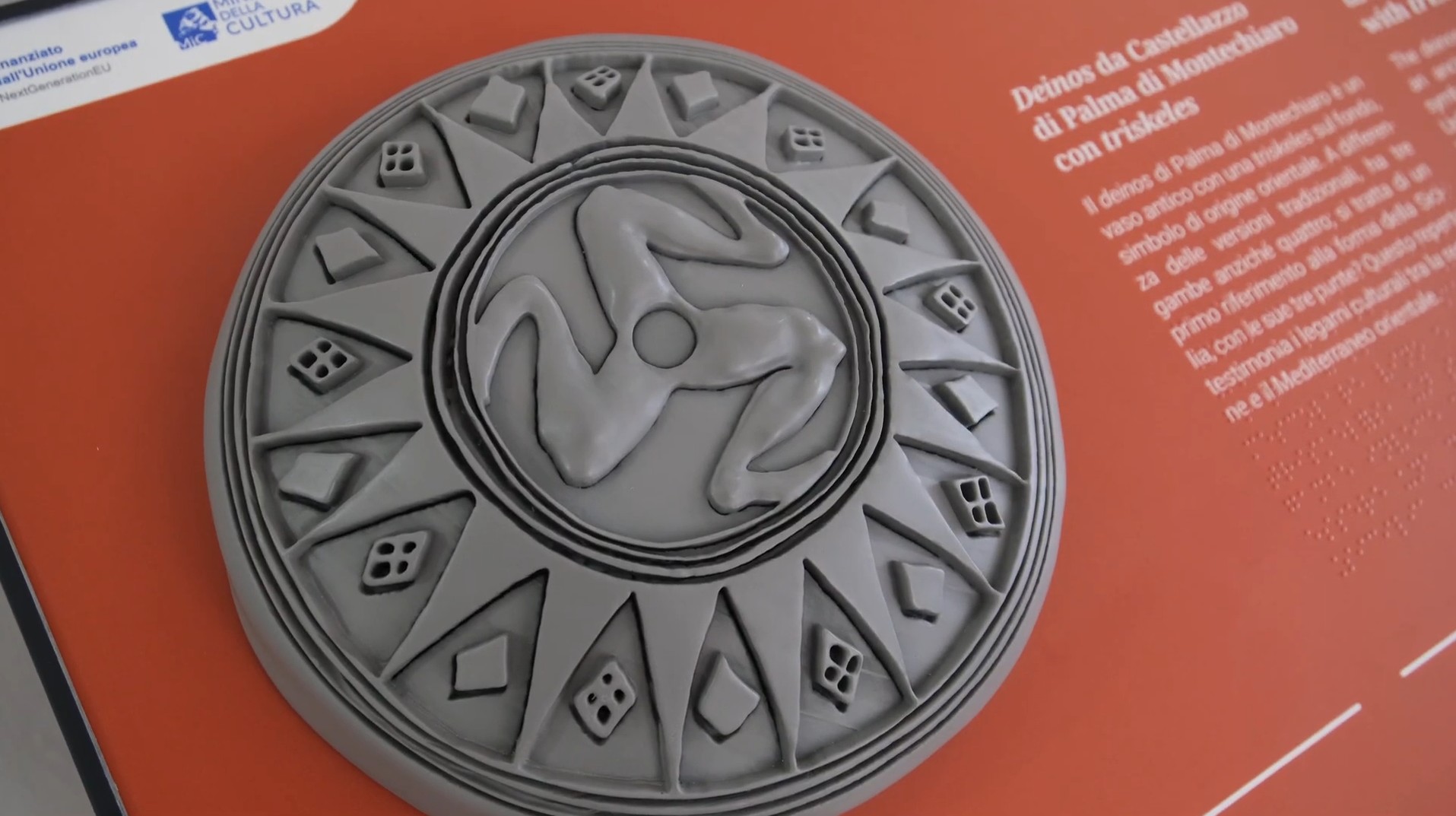
Next to the information panels, 6 faithful reproductions of important archaeological artifacts have been created that can be touched and explored by hand. These reproductions allow all visitors, especially those who cannot see, to understand the shape, dimensions and details of the original works, experiencing a complete and engaging learning experience.
Museum Mobile App
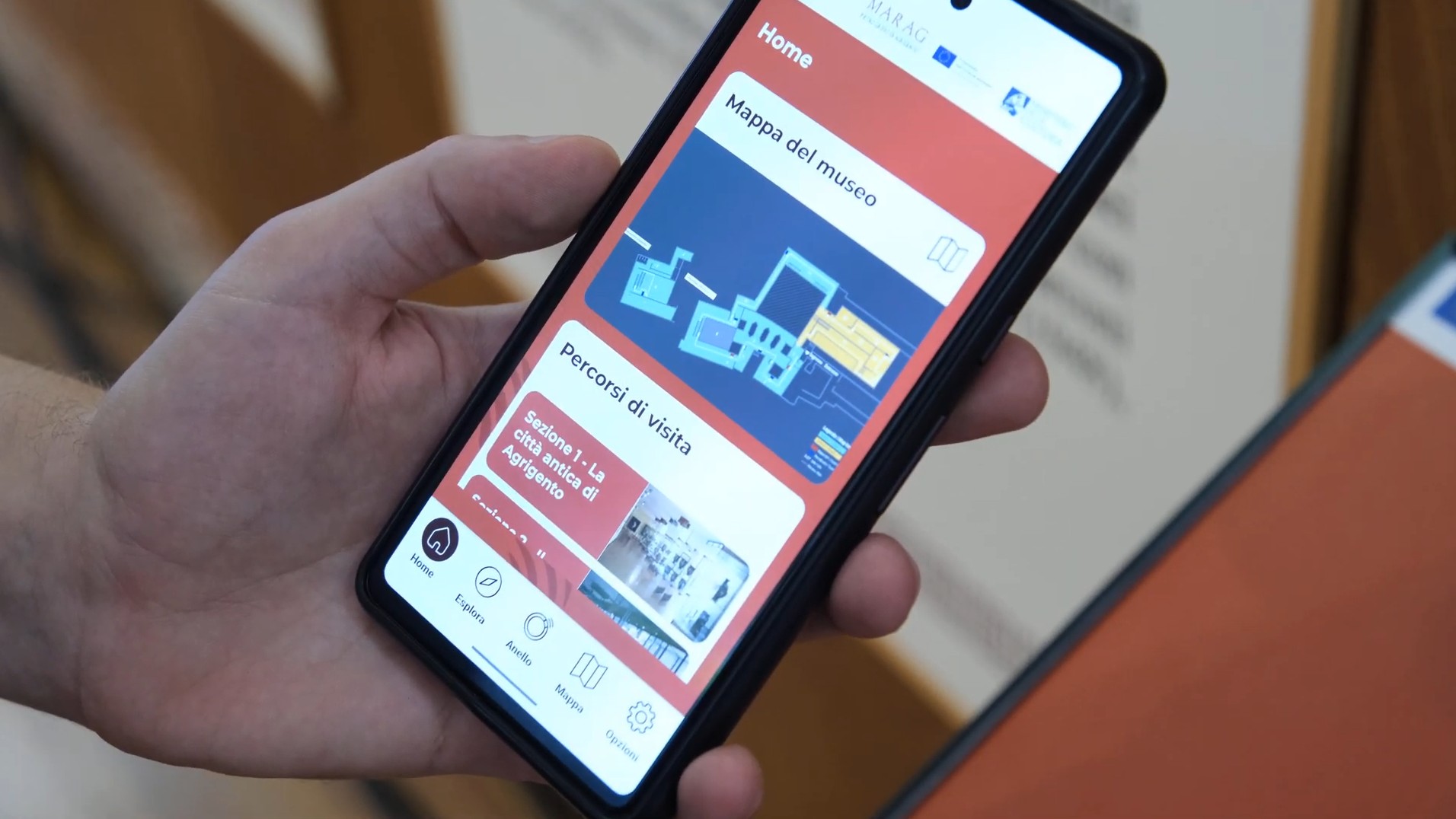
A smartphone application has been developed that automatically connects with the tactile panels and smart rings. The app offers personalized content for each visitor: videos translated into Italian Sign Language for the deaf, audio descriptions in Italian and English, and texts with different levels of complexity to adapt to everyone's needs.
Enhanced Cultural Content
To make the visit even more engaging, the content of 6 main works of the museum, distributed across 9 stations, has been completely renewed. Each work is now accompanied by audio descriptions in Italian and English, videos translated into Italian Sign Language, and written texts with different levels of depth to satisfy the curiosity of visitors of all ages and backgrounds.
Staff Training
All museum staff participated in specialized training courses to learn how to best welcome visitors with different needs and requirements. The staff has also been trained in using the new technologies and will receive additional training in Italian Sign Language to communicate directly with deaf visitors.
Promotion and Community Involvement
The project was presented to the community through an inauguration event that involved local institutions, associations from the Agrigento area, schools and universities. This approach has created a network of collaborations to promote the new services and raise awareness in the area about the importance of cultural accessibility.
A Museum for Everyone
The implementation of this integrated system has transformed the Pietro Griffo Museum into an example of excellence for cultural accessibility. Today the museum can truly welcome everyone: families with children, people with visual, hearing or motor disabilities, foreign visitors and anyone with different curiosities or particular needs.
Technological innovation serves inclusion: artificial intelligence, tactile tools and multimedia content create a personalized and engaging visit experience for every type of visitor. It's not just about eliminating barriers, but creating new opportunities for discovery and understanding of our archaeological heritage.
The project demonstrates how National Recovery and Resilience Plan funds can concretely improve people's quality of life and enhance Italian cultural heritage, creating spaces where culture truly becomes everyone's right and a shared community experience.